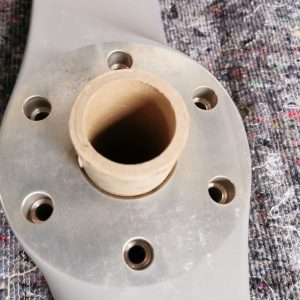
New, Never Installed may support a restoration, new aircraft build, engine installation, maintenance project, spare inventory requirement, or replacement-propeller search.
The Sensenich Propeller P/N 74DM6-0-60, Sensenich 74DM6 Propeller, and 74DM6-0-60 Aircraft Propeller descriptions identify closely related searches for this specific aviation component.
Fixed-pitch construction provides established blade geometry without a pilot-controlled in-flight pitch-change mechanism.
A 74-Inch Aircraft Propeller and 60-Inch Pitch Propeller should be confirmed through manufacturer markings, approved data, and suitable measurement rather than model interpretation alone.
The Certified Aircraft Propeller description should distinguish the approved propeller design from the current serviceability and installation eligibility of the individual unit.
Why the Complete Propeller Designation Matters
The seller should provide clear photographs of the data plate, hub, blade faces, blade backs, leading edges, trailing edges, tips, mounting click here holes, and identification markings.
Any approved change should appear in suitable records and markings rather than relying only on verbal descriptions.
New and Never Installed Condition
An unused propeller may still develop coating damage, corrosion, moisture exposure, scratches, dents, contamination, or packaging-related abrasion.
New, Never Installed.
Sensenich Fixed-Pitch Propeller Design
The 74DM6-0-60 should be selected using applicable technical data rather than general claims about improved climb or cruise performance.
Diameter influences ground clearance, tip speed, aerodynamic load, and airframe compatibility.
Protecting Aluminum Propeller Surfaces
Professional inspection helps preserve the long-term value of the Sensenich Aluminum Propeller.
Harsh cleaners, abrasive pads, unapproved polishing, and uncontrolled sanding should be avoided because they may damage the finish or alter blade surfaces.
74-Inch Aircraft Propeller Dimensions
Any authorized diameter reduction should appear in the propeller markings and maintenance records.
The receiving aircraft must provide sufficient propeller clearance under applicable loading and operating conditions.
Comparing Pitch Between Both Blades
Actual aircraft performance also depends on aerodynamic slip, weight, altitude, temperature, engine condition, and airframe design.
A never-installed propeller should still be reviewed for shipping distortion, impact, or manufacturing-record consistency.
Avoiding Universal O-320 Compatibility Claims
A propeller approved for one O-320-powered aircraft may not be approved for another aircraft using a different engine variant, airframe, spinner, or installation configuration.
Qualified research supports responsible selection of a Lycoming O-320 Propeller.
Evaluating Both Propeller Blades
Blade comparison should include the faces, backs, roots, leading edges, trailing edges, tips, and hub transitions.
Careful handling preserves the Two-Blade Aircraft Propeller assembly.
Inspecting the Propeller Mounting Area
A genuinely never-installed propeller should not show unexplained fretting, bolt loading, or flange-contact patterns.
A propeller-only listing may require additional hardware before installation can begin.
Inspecting Blade Tips and Trailing Edges
The depth, location, orientation, and extent of any defect affect the appropriate inspection or corrective action.
Protective wrapping can sometimes conceal moisture staining or abrasion caused by movement inside the packaging.
Maintaining the Factory Finish
Complete corrosion evaluation supports responsible purchasing.
The propeller should not be stored directly on concrete floors, damp timber, unstable shelving, or unsupported blade tips.
Certified Aircraft Propeller Status
Documentation should be interpreted according to its specific wording, scope, and serial-number reference.
All documents should remain permanently associated with the correct physical propeller.
Confirming the Sensenich Serial Number
The manufacturer data plate should remain legible, securely attached, and consistent with the physical propeller, invoice, packaging, and supplied documents.
Complete history supports future maintenance, installation research, and resale.
Aircraft Propeller Condition Review
Uncertainty regarding identity, dimensions, storage, condition, or installation eligibility should be resolved before shipping.
- Compare the propeller with the receiving aircraft model, serial range, Lycoming engine designation, engine flange, spinner, operating limitations, and approved installation information.
- Do not treat original packaging, clean paint, new wording, or never-installed status as proof of present serviceability.
- Inspect and photograph the propeller immediately after delivery before cleaning, measuring, balancing, repairing, mounting, or modifying it.
Safe Freight Handling Procedures
Blade tips, leading edges, trailing edges, mounting surfaces, bolt holes, identification plates, and factory coatings require suitable protection.
The propeller should remain immobilized throughout transport.
Protecting the Propeller Before Installation
Responsible storage preserves the future usefulness of the Aluminum Aircraft Propeller.
Organized storage supports the commercial value of the General Aviation Propeller.
Mounting the Replacement Aircraft Propeller
Incorrect bolts, unsuitable washers, damaged threads, or improvised spacers should not be used.
Spinner components should maintain suitable alignment, attachment, and clearance without causing stress or imbalance.
A ground run should not replace incomplete compatibility research or required technical inspection.
Routine Sensenich Propeller Maintenance
Consistent maintenance protects the Sensenich Fixed-Pitch Propeller.
Preventive care supports dependable General Aviation Propeller service.
Choosing a Valuable Aviation Component
Original packaging can improve presentation and provenance but does not replace physical examination.
The lowest advertised price may not represent the lowest installed cost when hardware, records, or compatibility information are incomplete.
Selecting a General Aviation Replacement Propeller
New, Never Installed can provide valuable replacement, restoration, new-construction, engine-installation, inventory, or resale potential when its identity, dimensions, storage history, condition, and applicability are verified.
The strongest purchasing decision begins with confirming the full model designation, serial number, manufacturing details, 74-inch diameter, 60-inch pitch, blade count, hub, bolt pattern, aircraft applicability, engine compatibility, storage history, physical condition, and documentation.
Whether the product is described as a 74-Inch Aircraft Propeller, 60-Inch Pitch Propeller, Lycoming O-320 Propeller, or General Aviation Propeller, aircraft-specific applicability remains essential.
With transparent records, protected shipping, correct aircraft-and-engine fitment, careful mounting, and appropriate inspection, the Sensenich propeller can support a professional aviation project.